For individuals with autism and related disabilities, the need for education, support, and opportunities for independence doesn’t end at graduation.
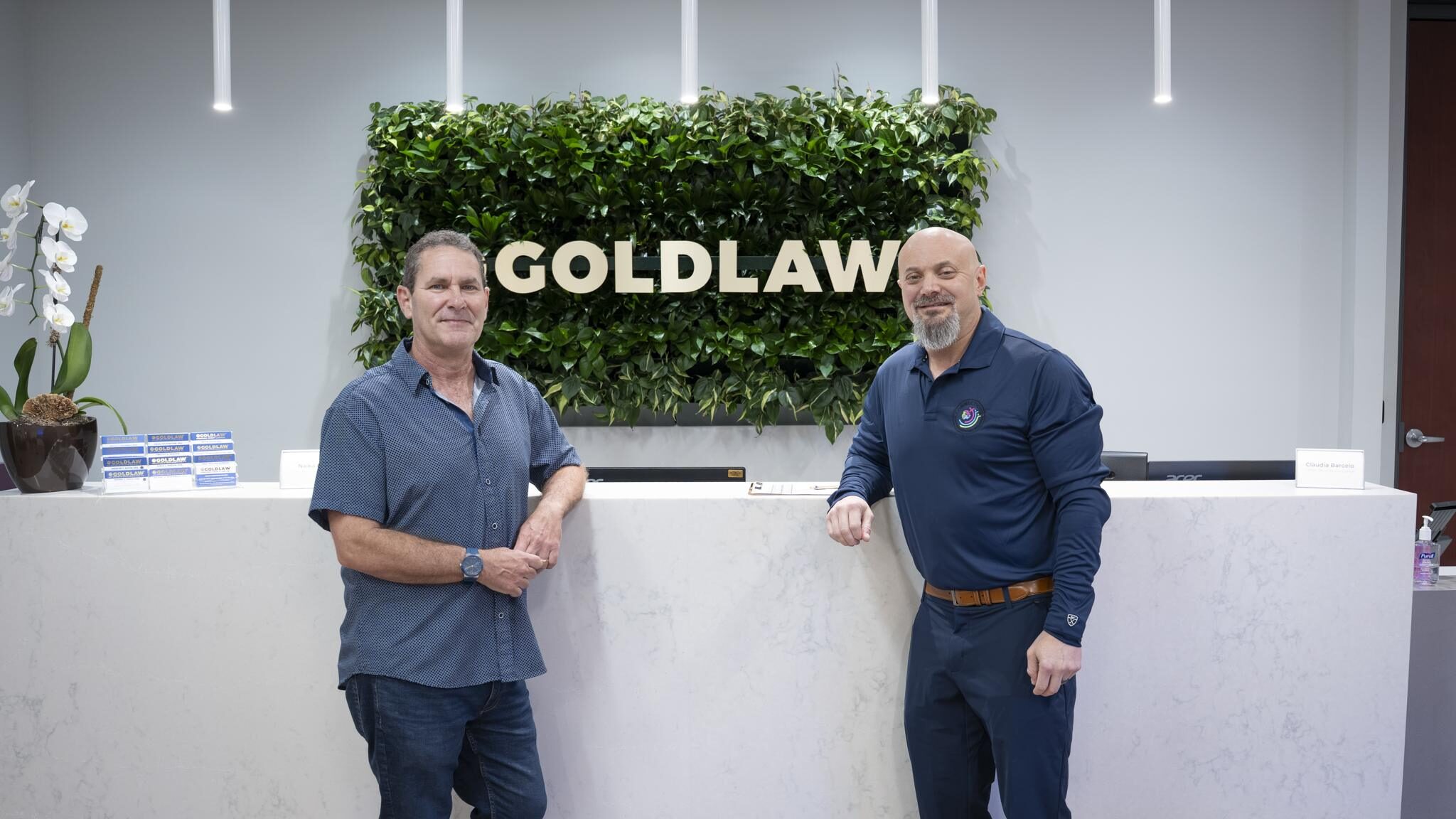
That idea is at the heart of Connections Education Center, a West Palm Beach nonprofit serving children and adults with autism and related disabilities. On a recent episode of The Gold Standard Radio Show, GOLDLAW Founder and CEO Craig Goldenfarb sat down with Jason Portman, Executive Director of Connections Education Center, to discuss the organization’s mission, its programs, and the challenges families can face when seeking lifelong support for a loved one with autism.
Watch the full episode of The Gold Standard Radio Show featuring Jason Portman to learn more about Connections Education Center and its work supporting children, adults, and families throughout Palm Beach County.
From Early Education Through Adulthood
Founded in 2015, Connections Education Center takes a family-centered approach to helping individuals with autism and related disabilities reach their potential and become more socially integrated within their communities.
Today, the organization serves approximately 200 students and clients, ranging from three-year-olds in pre-K to adults in their 40s.
Connections currently operates three primary programs: a public school serving students from pre-K through eighth grade, a private high school emphasizing life skills and a functional curriculum, and an adult program supported through Medicaid benefits. The organization is also exploring a residential program as it looks toward the future needs of the population it serves.
That broad range of services reflects one of the major themes of Craig and Jason’s conversation: support for individuals with autism must extend beyond childhood.
For a free legal consultation, call 561-222-2222
Using Technology to Improve Communication
Technology has also become an important part of the learning environment at Connections.
Every student and client is provided with an iPad, which can be used with specialized software and other tools to assist with communication, learning, and socialization. For individuals who may struggle with verbal communication, technology can provide another way to express needs, interact with others, and gain greater independence.
Craig and Jason also discuss the future of technology, including the potential role artificial intelligence could play in creating new tools and opportunities for individuals with special needs.
Click to contact our personal injury lawyers today
Why Water Safety Is a Priority
Education at Connections extends beyond the classroom.
Health, wellness, and safety are significant components of its programming, including an emphasis on swimming and water safety. During the interview, Jason explains why developing water-safety skills is particularly important for individuals with autism and how Connections works to help its students become safer and more comfortable around water.
The center also works with community partners to provide experiences such as animal-assisted vocational programming and ecotherapy, creating additional opportunities for students and clients to develop skills and engage with the world around them.
Call or text 561-222-2222 or complete a Free Case Evaluation form
A Family-Centered Approach to Autism Support
One of the distinguishing features of Connections is its emphasis on involving the entire family.
What happens at school is only one part of an individual’s development. By working with families, Connections aims to reinforce behavioral strategies and skills across both the educational and home environments.
That approach becomes increasingly important as students grow older. Families may eventually need to navigate questions involving adult services, Medicaid benefits, guardianship, employment, housing, and long-term care.
Rather than viewing education as something that ends when a student reaches a certain age, Connections is working toward a continuum of support that can evolve throughout a person’s life.
Complete a Free Case Evaluation form now
The Community Helps Make the Mission Possible
Providing that level of care comes with a significant financial challenge.
According to Jason, approximately 80% to 90% of the families Connections serves live at or below the poverty level. Funding provided through school systems and Medicaid covers only a portion of what it costs to operate the organization’s programs.
As a result, Connections must raise approximately $1.5 million each year through private donations and community fundraising.
One of its signature events is its annual Fire Truck Pull, which brings the community together while raising money and awareness for the organization.
Community members can support Connections Education Center by volunteering, scheduling a tour, attending fundraising events, or making a financial contribution. To learn more, visit connectedpb.com.